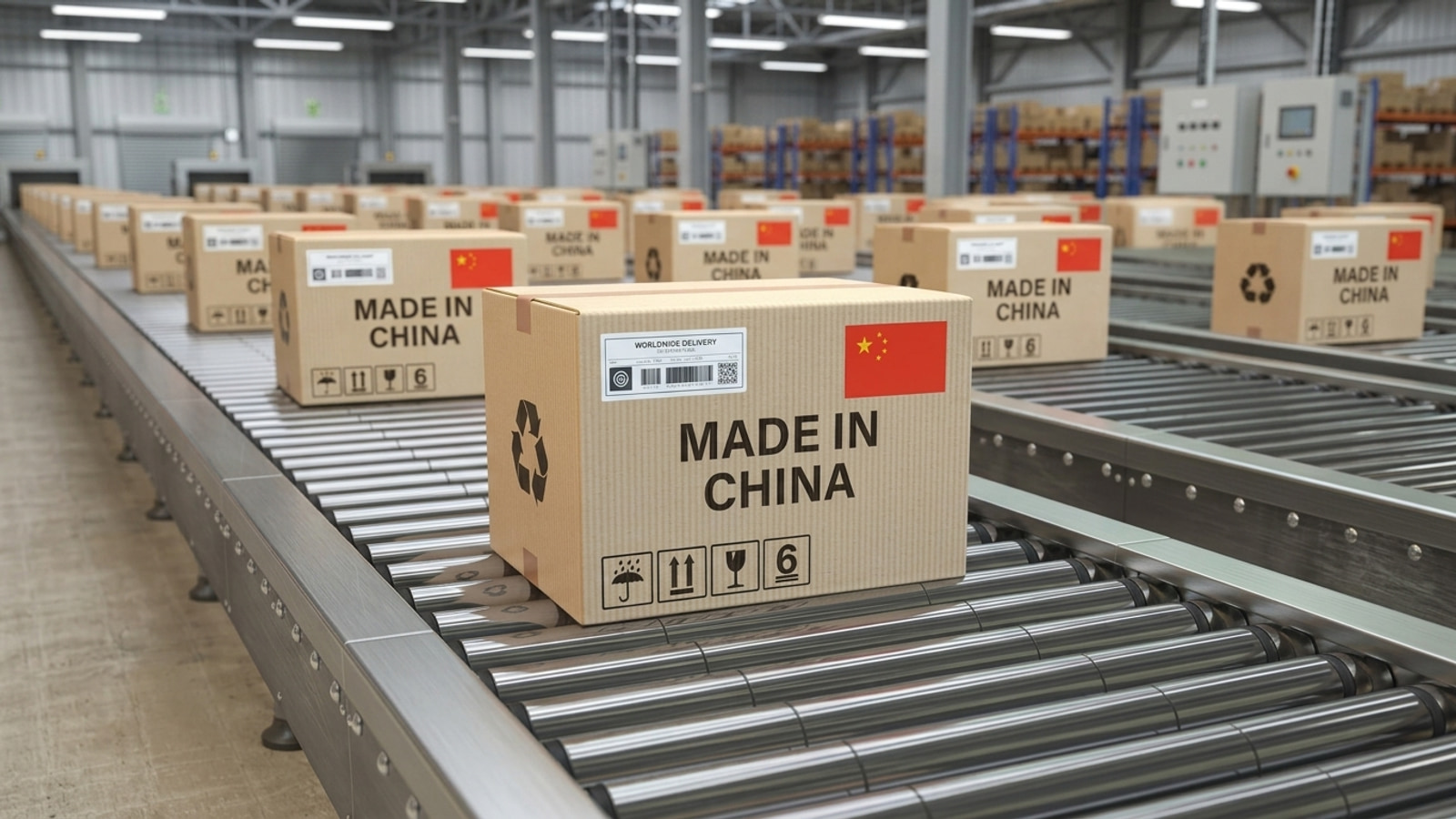
China manufactures nearly everything in the world — and for very good reasons. The combination of skilled labor, world-class infrastructure, and deep supply chain ecosystems makes it the default choice for entrepreneurs, brands, and retailers globally.
But manufacturing in China isn't simply about finding a factory and placing an order. It's a structured process — one that, done right, can give you a globally competitive product at a fraction of what it would cost to manufacture at home.
Step 1: Define Your Product with Precision
Before approaching any factory, you need a clear product definition. Factories quote and produce based on specifications — vague briefs lead to misaligned samples and expensive revisions.
Prepare the following before any supplier contact:
- A product specification sheet covering: dimensions, weight, materials, colors, surface finishes, and functions
- Reference samples or physical prototypes where possible
- Detailed sketches or CAD files for custom-designed products
- Your target retail price — work backwards from this to understand what your manufacturing cost must be
- MOQ flexibility — what's the minimum quantity you can realistically commit to?
Step 2: Find the Right Factory or Supplier
Multiple channels exist to find Chinese manufacturers. Each suits a different type of buyer:
- Alibaba / Made-in-China.com — The largest online B2B marketplaces. Filter by "Gold Supplier" and "Verified" badges. Useful for initial discovery, but requires careful vetting.
- Canton Fair (Guangzhou) — The world's largest trade fair, held twice yearly. Ideal for meeting manufacturers face-to-face, comparing product ranges, and beginning relationships in person.
- Yiwu International Trade Market — The world's largest wholesale commodity market with 75,000+ booths. Best for consumer goods, gifts, seasonal products, and daily-use items. Lower MOQs than factories.
- A professional sourcing agent — The fastest, most reliable path, especially for first-time buyers or complex custom products. Agents vet factories, translate requirements, and manage the relationship on your behalf.
Step 3: Request and Evaluate Samples
Never skip the sampling stage. Ever. A sample is your only real protection before committing large money to bulk production.
There are two types of samples to request:
- Standard sample — An off-the-shelf item from the factory's existing range. Establishes baseline quality and material standards. Usually free or low-cost.
- Custom sample (pre-production sample) — Modified to your specific requirements. Expect to pay a sample fee of $30–$500 depending on product complexity. This fee is typically refunded on your first bulk order.
Evaluate samples rigorously against your spec sheet: dimensions, weight, material quality, surface finishing, functionality, packaging presentation, and any regulatory compliance requirements.
Step 4: Negotiate Key Terms
Price is important, but it's not the only thing to negotiate. Experienced buyers negotiate a complete commercial package:
- Unit price at multiple MOQ tiers (e.g., 500 pcs / 1,000 pcs / 3,000 pcs)
- Payment terms (standard: 30% deposit upfront, 70% before shipment)
- Production lead time (confirm in writing)
- Packaging options: white-label, OEM box with your logo, retail-ready packaging with barcode
- Sample fee refund on first order
- Defect rate tolerance and compensation policy
Step 5: Monitor Production
After signing a purchase order and paying the deposit, don't go silent. Stay engaged:
- Request production photos or short videos at approximately 30–50% completion
- Confirm raw material procurement has been completed
- Track the production timeline against your agreed delivery date
Step 6: Quality Inspection Before Shipment
This is the most critical protection step in the entire process. Your three options:
- Factory self-inspection — Cheapest, but least reliable. Factories have a financial incentive to pass goods regardless of defects.
- Third-party inspection (SGS, Bureau Veritas, QIMA) — An independent inspector visits the factory before loading. Cost: $200–$400 per day. Highly recommended for orders over $5,000.
- Yiwu Trade Link inspection — Our local team visits factories on your behalf, provides detailed photo and video reports, and only approves shipment when goods meet your standards.
Step 7: Ship and Import Your Goods
Choose your shipping method based on volume and timeline (see our Shipping Cost Guide for full detail). Ensure all export documentation is in order:
- Commercial invoice (with accurate HS codes and declared values)
- Packing list
- Bill of lading or Airway bill
- Certificate of Origin (if required for duty reduction under a trade agreement)
- Product certifications required by your destination market (CE, FCC, RoHS, etc.)
Manufacturing Cost Breakdown
| Cost Item | Typical Range |
|---|---|
| Product unit cost | 20–60% of target retail price |
| Custom sample fee | $30–$500 |
| Mold / tooling (for custom parts) | $500–$5,000+ |
| Quality inspection | $200–$400 per visit |
| Sea freight (mid-size order) | $300–$1,500 |
| Import duties | 0–25% (depends on product and country) |
Common Manufacturing Concerns — Answered
"Will the quality actually be good enough?"
Quality in China is a function of specification and oversight, not geography. The factories producing goods for Apple, Nike, IKEA, and every major global brand are in China. Define your quality standards precisely, approve samples thoroughly, and inspect before payment — and you will get good quality.
"What if the factory scams me?"
Use Alibaba Trade Assurance or an escrow arrangement for your initial payments. Never pay 100% upfront to a new supplier. Only release your final payment (typically 70%) after a passed pre-shipment inspection. Never rush a supplier relationship with large money before trust is established.
"How do I protect my product idea?"
Register your trademark and design patents in China specifically — not just in your home country. China operates on a first-to-file system. Before sharing detailed designs with any factory, sign an NNN Agreement (Non-Disclosure, Non-Use, Non-Circumvention). Work with a China-experienced IP attorney for valuable designs.
Ready to start manufacturing in China? Talk to Yiwu Trade Link — we'll help you find the right factory, manage sampling, and ensure your first production run is a success.