
Most first-time importers get their shipping quote and panic. A single FCL shipment can cost thousands — but a few small cartons sent by Express might cost less than your phone bill. The truth is: shipping from China doesn't have a fixed price. It has variables — and once you understand them, you can control your costs like a pro.
At Yiwu Trade Link, we've helped buyers from over 30 countries move goods from Yiwu and across China. Here's everything you need to know about shipping costs, broken down simply.
The 7 Main Shipping Methods from China
1. Express Courier (DHL / FedEx / UPS)
- Best for: Small orders under 100 kg, samples, urgent shipments
- Cost estimate: $5–$12/kg depending on destination and volumetric weight
- Transit time: 3–7 business days
- Pro: Door-to-door, no customs broker needed for most small shipments
- Con: Expensive per kg for large volumes; not viable for bulk orders
2. Air Freight
- Best for: 100–500 kg shipments where time matters
- Cost estimate: $3–$8/kg (chargeable weight)
- Transit time: 5–10 days (airport to airport)
- Note: Chargeable weight = whichever is higher between actual and volumetric weight
- Con: You'll need a customs broker and freight forwarder
3. Sea Freight LCL (Less than Container Load)
- Best for: 1–10 CBM of goods, small to mid-size orders
- Cost estimate: $50–$150/CBM (ocean freight only) + origin + destination charges
- Transit time: 25–45 days (China to US West Coast)
- Pro: Most affordable option for growing orders that don't fill a container
- Con: More handling = higher risk of damage; slower transit
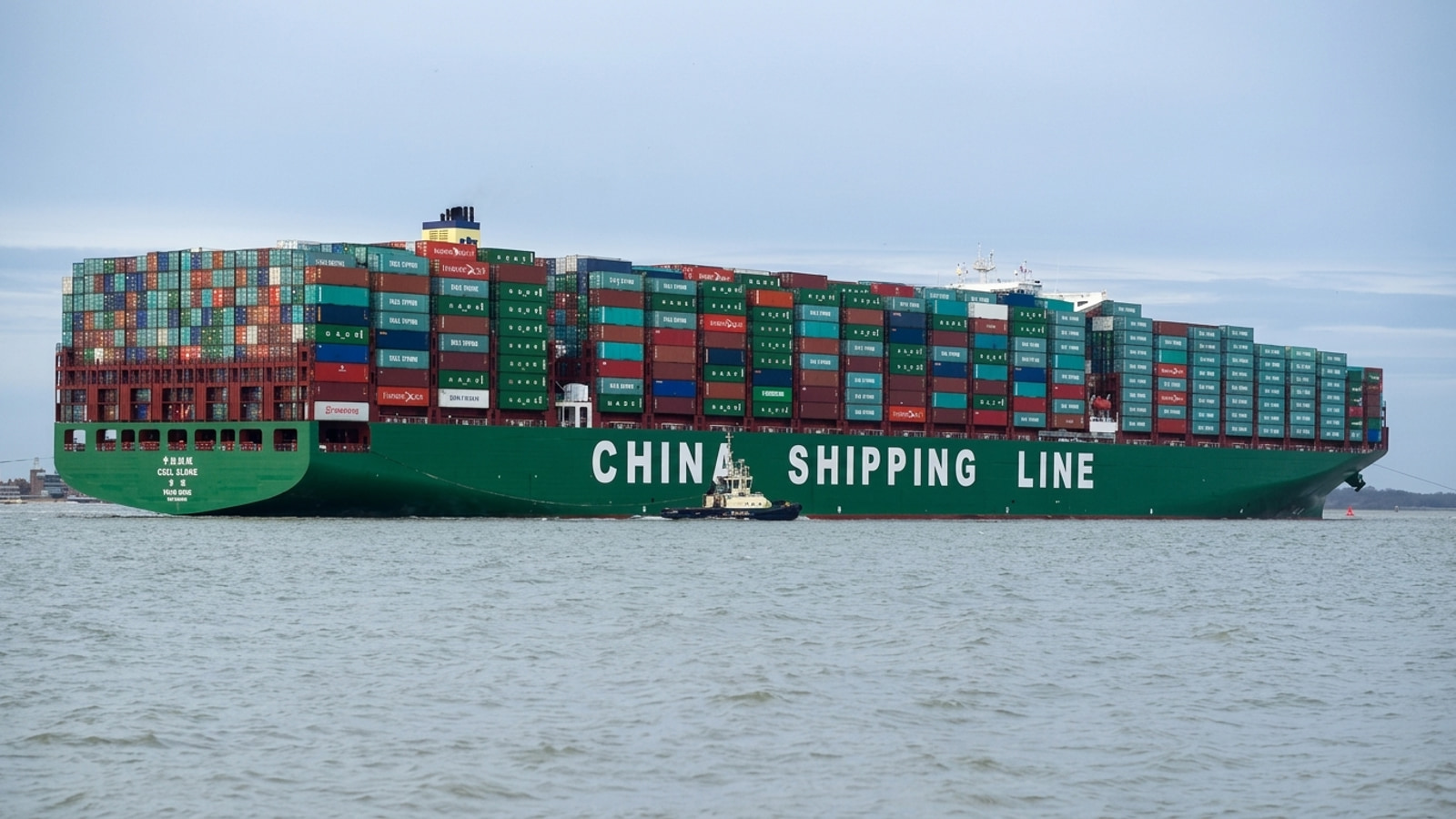
4. Sea Freight FCL (Full Container Load)
- Best for: Large volume orders — 20ft or 40ft container
- Cost estimate: $1,500–$5,000+ per container (varies by port, season, and demand)
- Transit time: 15–35 days (China to US)
- Pro: Lowest cost per unit; sealed container = less damage risk
- Con: Minimum volume requirement; more complex documentation
5. Rail Freight (China–Europe)
- Best for: Europe-bound buyers who want faster than sea, cheaper than air
- Cost estimate: $3,000–$7,000 per container
- Transit time: 18–25 days (China to major European cities)
- Pro: Eco-friendly, reliable schedule; rapidly expanding network
6. Air + Sea Combination
The smart split-shipment strategy. Send a small air portion to cover immediate demand, then ship the bulk of the order by sea. Ideal for seasonal launches or restocking during a stockout.
7. China Post / ePacket
- Best for: Very small parcels — dropshipping only
- Cost estimate: $2–$20/parcel
- Transit time: 15–60+ days (very inconsistent)
- Warning: Not reliable for commercial bulk orders; high loss/damage rates
How Are Shipping Costs Actually Calculated?
Understanding the formula will save you from nasty surprises at checkout.
Actual Weight vs. Volumetric Weight
Carriers charge based on whichever is higher:
- Actual weight: weight on the scale in kg
- Volumetric weight = (Length × Width × Height in cm) ÷ 5,000
A large, lightweight product like a foam pillow will almost always be charged on volumetric weight. A heavy, compact product like metal tools will be charged on actual weight.
Origin Charges
- Inland trucking (factory to port): $80–$300
- Export customs clearance fee: $50–$150
- Terminal Handling Charge (THC): $80–$200
Destination Charges
- Import duties and taxes (varies by product HS code and country)
- Customs brokerage fee: $100–$250
- Last-mile delivery to your warehouse or door
Common Surcharges
- Fuel surcharge (varies quarterly)
- Peak season surcharge (November–January; also around Chinese New Year)
- Dangerous goods surcharge (lithium batteries, aerosols, chemicals)
Shipping Method Quick Comparison
| Method | Best For | Speed | Approx. Cost |
|---|---|---|---|
| Express Courier | Samples, <100 kg | 3–7 days | $5–$12/kg |
| Air Freight | 100–500 kg, urgent | 5–10 days | $3–$8/kg |
| Sea LCL | 1–10 CBM | 25–45 days | $50–$150/CBM |
| Sea FCL | Large volumes | 15–35 days | $1,500–$5,000/container |
| Rail (Europe) | Europe buyers | 18–25 days | $3,000–$7,000/container |
| China Post | Tiny parcels only | 15–60+ days | $2–$20/parcel |
5 Tips to Reduce Your Shipping Costs from Yiwu
- Consolidate orders: Combine goods from multiple Yiwu suppliers into a single shipment to maximize container utilization
- Plan 6–8 weeks ahead: Last-minute orders force you into expensive air freight. Sea freight rewards planners.
- Use Yiwu's strategic location: Yiwu sits just 2 hours from Ningbo Port and 3 hours from Shanghai Port — some of the busiest export hubs in the world, with competitive freight rates
- Work with a freight forwarder: Volume buyers get negotiated rates. A good forwarder saves you more than their fee.
- Understand Incoterms: Know the difference between FOB, CIF, and DDP so you're comparing apples to apples when getting quotes
Ready to ship from Yiwu? Contact Yiwu Trade Link for a free shipping quote and end-to-end logistics coordination for your next order.
